
My House: a short story in Arabic with English Translation
Today, I want to show you a short story in Arabic with English translation.
The title is My House.
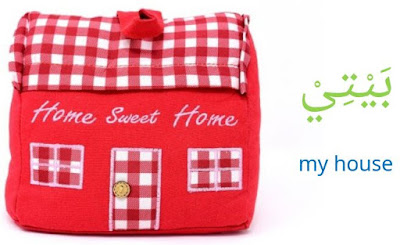
First of all, I wrote the story in Arabic, then I translated it word by word. Finally, I translated all the sentences into English. Below is the story:
بَيْتِيْ
(My House)
بَيْتِيْ صَغِيْرٌ مُرِيْحٌ. لَهُ طَابَقَانِ
فِي الطَّابَقِ الأّوَّلِ غُرْفَةُ الاِسْتِقْبَالِ وَحَمَّامٌ وَمَطْبَخٌ
فِي الطَّابَقِ الثَّانِيْ مَكْتَبَةٌ وَثَلاَثُ غُرَفٍ لِلنَّوْمِ
أَمَامَ الْبَيْتِ حَدِيْقَةٌ فِيْهَا أَشْجَرٌ كَبِيْرَةٌ وَأَزْهَارٌ جَمِيْلَةٌ وَحَوْضٌ لِلْأَسْمَاكِ
أَعِيشُ فِي هَذَا الْبَيْتِ سَعِيْدٌ
Words Translation into English
1. بَيْتِيْ
- بَيْتٌ = a house
- يْ = possessive determiner for 1st person singular ⇒ my
- بَيْتِيْ = my house
2. بَيْتِيْ صَغِيْرٌ مُرِيْحٌ. لَهُ طَابَقَانِ
- بَيْتِيْ = my house
- صَغِيْرٌ = small
- مُرِيْحٌ = comfortable
- لَهُ = it has (هُ refers to house)
- طَابَقَانِ = two floors.
Note: طَابَقَانِ is dual. The singular form is طَابَقٌ - بَيْتِيْ صَغِيْرٌ مُرِيْحٌ. لَهُ طَابَقَانِ = My small house is comfortable. It has two floors.
3. فِي الطَّابَقِ الأّوَّلِ غُرْفَةُ الاِسْتِقْبَالِ وَحَمَّامٌ وَمَطْبَخٌ
- فِي = in; at
- الطَّابَقِ الأّوَّلِ = the first floor
- غُرْفَةُ الاِسْتِقْبَالِ = reception room; living room; guest room
- وَ = and
- حَمَّامٌ = a bathroom
- مَطْبَخٌ = a kitchen
- فِي الطَّابَقِ الأّوَّلِ غُرْفَةُ الاِسْتِقْبَالِ وَحَمَّامٌ وَمَطْبَخٌ = There are a living room, a bathroom, and a kitchen on the first floor.
4. فِي الطَّابَقِ الثَّانِيْ مَكْتَبَةٌ وَثَلاَثُ غُرَفٍ لِلنَّوْمِ
- الطَّابَقِ الثَّانِيْ = the second floor
- مَكْتَبَةٌ = a library
- ثَلاَثُ غُرَفٍ = three rooms.
Note: غُرَفٌ is a plural form. The singular form is غُرْفَةٌ (a room). - لِلنَّوْمِ = for sleeping
- فِي الطَّابَقِ الثَّانِيْ مَكْتَبَةٌ وَثَلاَثُ غُرَفٍ لِلنَّوْمِ = There are a library and three bedrooms on the second floor.
5. أَمَامَ الْبَيْتِ حَدِيْقَةٌ فِيْهَا أَشْجَرٌ كَبِيْرَةٌ وَأَزْهَارٌ جَمِيْلَةٌ وَحَوْضٌ لِلْأَسْمَاكِ
- أَمَامَ = in front of
- حَدِيْقَةٌ = garden
- فِيْهَا = in the garden (هَا refers to garden)
- أَشْجَرٌ = trees.
Note: Plural form. Singular is شَجَرٌ. - كَبِيْرَةٌ = big.
Note: Adjective describing أَشْجَرٌ. It is a female singular noun (the male singular form is كَبِيْرٌ). If a noun is non-human and plural, its adjective takes the female singular form. - أَزْهَارٌ جَمِيْلَةٌ = beautiful flowers.
- أَزْهَارٌ = flowers (plural). Singular is زَهْرَةٌ.
- جَمِيْلَةٌ = beautiful (female singular noun). The male singular is جَمِيْلٌ.
- حَوْضٌ = a pond
- لِلْأَسْمَاكِ = for fish. أَسْمَاكٌ is plural. Singular form is سَمَكٌ.
- حَوْضٌ لِلْأَسْمَاكِ = fish pond.
- أَمَامَ الْبَيْتِ حَدِيْقَةٌ فِيْهَا أَشْجَرٌ كَبِيْرَةٌ وَأَزْهَارٌ جَمِيْلَةٌ وَحَوْضٌ لِلْأَسْمَاكِ = In front of the house, there is a garden with big trees, beautiful flowers, and a fish pond.
6. أَعِيشُ فِي هَذَا الْبَيْتِ سَعِيْدٌ
- أَعِيشُ = I live.
Note: The base form of this verb is عَاشَ - يَعِيشُ. - سَعِيْدٌ = happy
- أَعِيشُ فِي هَذَا الْبَيْتِ سَعِيْدٌ = I'm happy to live in this house.
Summary
The short story about my house in Arabic with English translation:
بَيْتِيْ
My house
بَيْتِيْ صَغِيْرٌ مُرِيْحٌ. لَهُ طَابَقَانِ
My house is small and comfortable. It has two floors.
فِي الطَّابَقِ الأّوَّلِ غُرْفَةُ الاِسْتِقْبَالِ وَحَمَّامٌ وَمَطْبَخٌ
On the first floor, there are a living room, a bathroom, and a kitchen.
فِي الطَّابَقِ الثَّانِيْ مَكْتَبَةٌ وَثَلاَثُ غُرَفٍ لِلنَّوْمِ
On the second floor, there are a library and three bedrooms.
أَمَامَ الْبَيْتِ حَدِيْقَةٌ فِيْهَا أَشْجَرٌ كَبِيْرَةٌ وَأَزْهَارٌ جَمِيْلَةٌ وَحَوْضٌ لِلْأَسْمَاكِ
In front of the house, there is a garden with big trees, beautiful flowers, and a fish pond.
أَعِيشُ فِي هَذَا الْبَيْتِ سَعِيْدٌ
I'm happy to live in this house.
I hope your Arabic vocabulary is increased by reading this story. I will write another short story in the next article, In shaa Allah.
Vocabulary List Table
📚 Story Vocabulary List
To make it easier for you to memorize, we have divided the vocabulary from the story into two tables: Nouns & Adjectives and Verbs.
1. Nouns & Adjectives
| No. | Arabic (Singular Form) | Arabic (Plural Form) | English Meaning |
|---|---|---|---|
| 1 | بَيْتٌ | بُيُوتٌ | A house |
| 2 | صَغِيْرٌ | صِغَارٌ | Small |
| 3 | مُرِيْحٌ | مُرِيْحُونَ | Comfortable |
| 4 | طَابَقٌ | طَوَابِقُ | A floor / level |
| 5 | غُرْفَةٌ | غُرَفٌ | A room |
| 6 | حَمَّامٌ | حَمَّامَاتٌ | A bathroom |
| 7 | مَطْبَخٌ | مَطَابِخُ | A kitchen |
| 8 | مَكْتَبَةٌ | مَكْتَبَاتٌ | A library |
| 9 | حَدِيْقَةٌ | حَدَائِقُ | A garden |
| 10 | شَجَرٌ | أَشْجَارٌ | A tree / trees |
| 11 | كَبِيْرٌ / كَبِيْرَةٌ | كِبَارٌ | Big |
| 12 | زَهْرَةٌ | أَزْهَارٌ | A flower |
| 13 | جَمِيْلٌ / جَمِيْلَةٌ | جِمَالٌ | Beautiful |
| 14 | حَوْضٌ | أَحْوَاضٌ | A pond |
| 15 | سَمَكٌ | أَسْمَاكٌ | Fish |
| 16 | سَعِيْدٌ | سُعَدَاءُ | Happy |
2. Verbs
Note: The story is highly descriptive, so it contains only one verb. Here is its breakdown:
| No. | Verb in Story | Base Form (Past Tense) | Base Form (Present Tense) | English Meaning |
|---|---|---|---|---|
| 1 | أَعِيشُ | عَاشَ | يَعِيشُ | I live / To live |
Arabic Grammar Tips for Beginners
💡 Arabic Grammar Spotlight
Let’s look at three interesting rules found in our story:
1. The "My" Suffix: Ownership in a Single Letter
In English, you use a separate word, "my," to show possession (e.g., my house). In Arabic, we simply attach a small suffix to the end of the noun.
- Noun: بَيْت (Bayt) = House
- Suffix: يْ (-ī) = My
- Result: بَيْتِيْ (Baytī) = My House
This letter is called Yā’ al-Mutakallim. Just by adding this "ee" sound to any noun, you instantly make it yours!
Examples:
- My pen = قَلَمِي
- My book = كِتَابِي
- My father = أَبِي
- My sister = أُخْتِي
2. The Power of Two: The Unique "Dual" Form
English only distinguishes between "one" (singular) and "more than one" (plural). However, Arabic has a dedicated form for exactly two of something, known as Al-Muthannā.
In the story, we see:
- Singular: طَابَق (Ṭābaq) = One floor
- Dual: طَابَقَانِ (Ṭābaqān) = Two floors
By adding the suffix "-ān" to the end of a word, you tell the listener exactly how many there are without needing to say the number "two." It is a hallmark of Arabic precision.
Examples:
- Two pens = قَلَمَانِ
- Two books = كِتَابَانِ
- Two houses = بَيْتَانِ
3. The "Golden Rule": Why Plural Objects are "She"
This is often the most surprising rule for beginners. In Arabic, non-human plurals (like trees, houses, or flowers) are treated grammatically as a "Feminine Singular" unit.
Look at this phrase from the story:
أَشْجَارٌ كَبِيْرَةٌ (Ashjārun kabīratun)
Literal translation: "Big trees"
Even though أَشْجَار (Ashjār) means "trees" (plural), the adjective كَبِيْرَة (Kabīratun) is in its singular feminine form (indicated by the Ta Marbutah at the end).
Examples:
- These are houses = هَذِهِ بُيُوتٌ
- These are pens = هَذِهِ أَقْلَامٌ
⚠️ Remember: If you are describing a group of objects or animals, always use a feminine singular adjective. It’s as if the group is seen as one collective "feminine" entity!
Sentence Structures in Arabic
🛠️ Sentence Building Blocks (Pattern Practice)
The best way to learn Arabic is by using patterns. Here are two powerful sentence structures from our story that you can use to describe your own life. Try replacing the words in the brackets!
Pattern 1: "I live in [Place]"
Use this pattern to describe where you spend your life. In Arabic, the verb contains the subject "I," followed by the preposition "in" (fī).
Examples:
- I live in the city: أَعِيشُ فِي الْمَدِينَةِ
- I live in a house: أَعِيشُ فِي بَيْتٍ
💡 Language Note: While English uses the word "live" for everything, Arabic offers a subtle choice:
• A'īshu (أَعِيشُ): Focuses on the experience of living or spending your life. It is more descriptive and emotional (e.g., "I live a happy life in this house").
• Askunu (أَسْكُنُ): Focuses on your address or residence. It is the formal way to say where you dwell or stay (e.g., "I reside in New York").
In our story, we use A'īshu because it emphasizes being happy and comfortable in a home!
Pattern 2: "My [Something] is comfortable"
Combine ownership with a description. Remember to add the "ī" suffix to the noun to make it "mine".
Examples:
- My room is comfortable: غُرْفَتِي مُرِيْحَةٌ*
- My bed is comfortable: سَرِيرِي مُرِيْحٌ
*Note: In Arabic, if the noun is feminine (like Ghurfah), the adjective also becomes feminine (Murīḥah).
Try it yourself! Can you write a sentence about your own house in the comments?
Reading Comprehension
🧠 Mini Test Your Knowledge & Reading Comprehension
How much of the story do you remember? Answer the following questions in Arabic first, then click the "Check Answer" link to see if you're right!
1. كَمْ طَابَقًا فِي الْبَيْتِ؟
(How many floors are in the house?)
⇒ Click here to check answer
It has two floors.
2. أَيْنَ حَوْضُ الْأَسْمَاكِ؟
(Where is the fish pond located?)
⇒ Click here to check answer
In front of the house.
3. مَاذَا فِي الطَّابَقِ الثَّانِي؟
(What is on the second floor?)
⇒ Click here to check answer
A library and three bedrooms.
4. مَا مُفْرَدُ كَلِمَةِ "غُرَف"؟
(What is the singular form of the word "Ghuraf"?)
⇒ Click here to check answer
Its singular form is Ghurfah (a room).
5. هَلِ الْكَاتِبُ سَعِيدٌ فِي بَيْتِهِ؟
(Is the writer happy in his house?)
⇒ Click here to check answer
Yes, he is very happy.
No comments:
Post a Comment